Moving Day Checklist: 7 Things to Do the Week Before
Most moves go sideways because of the things people forget the week before, not the day of. From building permits to refrigerator defrosting, here's the practical checklist that separates a smooth move from a disaster. Save this page or print it.
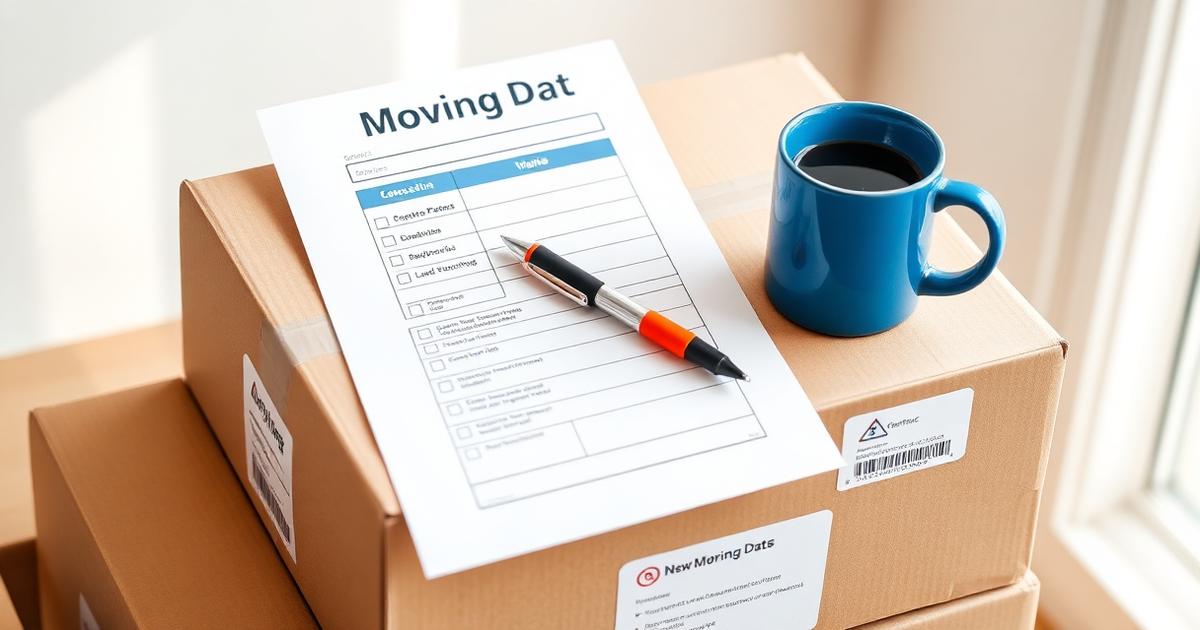
The Real Reason Most Moves Go Wrong
After years of moving in the DMV, we've seen a pattern. The customers who have smooth, on-time, on-budget moves are the ones who handle the prep work before the crew arrives. The customers whose moves run 4 hours over and end in arguments missed one or more of these items:
- Didn't reserve the elevator or get the COI submitted in time
- Didn't defrost the fridge or empty the freezer
- Didn't disconnect washer/dryer hoses (we charge $75 per appliance)
- Didn't clearly label "kitchen fragile" boxes vs. regular ones
- Forgot to set aside cash for tips
- Didn't coordinate parking access with both buildings
Here's the checklist that prevents all of this.
7 Days Before Your Move
Confirm Everything
- Confirm your move with the moving company. Verify date, arrival window, and crew chief name. Re-confirm your final quote.
- Submit any building Certificate of Insurance (COI) requests. If your building requires one, your mover needs at least 5-7 business days to get it issued.
- Reserve the elevator at both old and new buildings if applicable. Get the time slot in writing.
- Apply for parking permits if your moving truck will block a residential parking zone for 4+ hours. Most counties issue free temporary permits with 5-7 days notice.
- Order any specialty packing materials you need (TV boxes, dish dividers, mattress bags). Most movers stock standard supplies but specialty items may take 3-5 days.
5 Days Before
Start the Real Packing
- Start packing the rooms you don't use daily. Guest bedroom, formal dining room, books, decor. Everything except clothes, kitchen essentials, and bathroom.
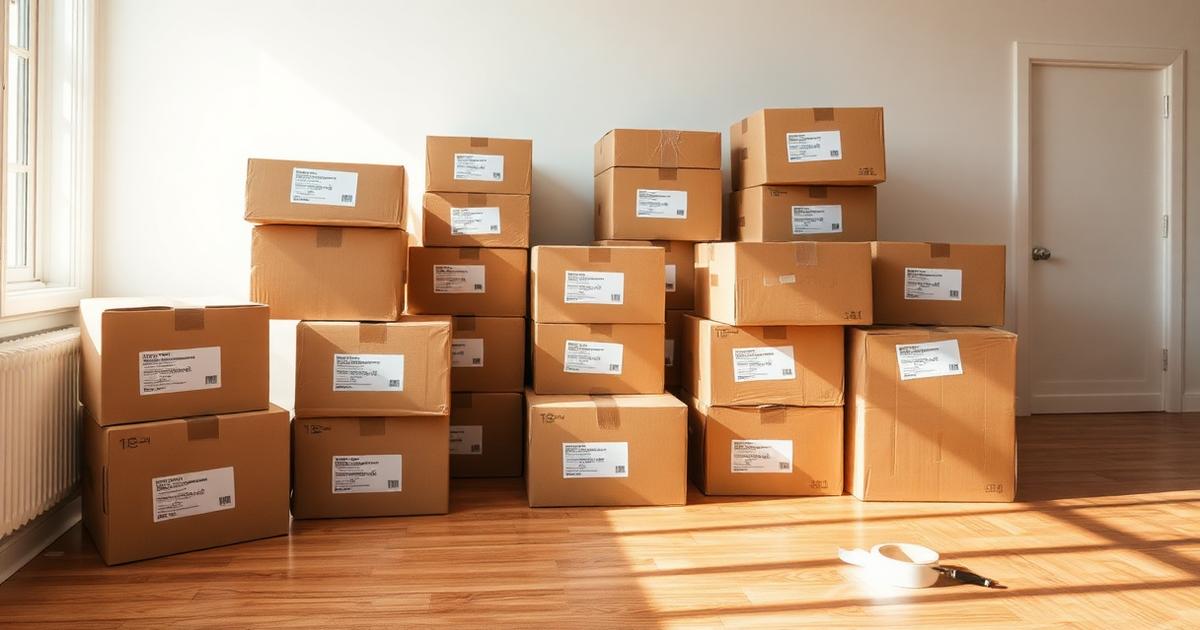
- Label every box clearly. Not just "kitchen" — write what's inside ("kitchen — pots and pans, fragile") and which room it's going to in the new place ("kitchen → 2nd floor").
- Use a numbering system for fragile boxes. Number them, keep a master list, take photos. Helps with insurance claims if anything breaks.
- Set aside an "essentials box" with toilet paper, hand soap, paper towels, basic tools, phone charger, snacks, change of clothes. This box rides with you in your car, not the truck.
- Decide what's NOT moving. Donate, sell, or trash anything you've decided not to take. Don't pay to move stuff you don't want.
3 Days Before
Set Up the Logistics
- Submit utility transfers. Cable, internet, electricity, gas — schedule for the day after your move at the new place. Schedule shut-off for the day after at the old place.
- Update your address. File USPS change of address (free, takes 5 minutes). Update bank, credit card, and any subscription services.
- Confirm with the moving company. Final headcount of crew, truck size, arrival window. Any updates from your end?
- Plan for pets and kids. Move day is chaos. Arrange daycare, a friend's house, or a pet boarder. Trying to manage them on move day adds hours.
- Pull out cash for tips. Bank closures or ATM issues on move day are stressful. Plan for $20-40 per mover for a half-day, $40-80 per mover for a full-day.
The Day Before
The Critical 24 Hours
- Defrost your refrigerator and freezer. Empty everything. A wet, full fridge is a nightmare to move and may not survive the trip.
- Disconnect washer and dryer. Shut off water valves. Disconnect hoses. Cover with towels for spills. (We charge $75 per appliance to do this on move day, so save the money and do it yourself.)
- Disconnect TVs and electronics. Take photos of the cable connections so you can re-connect at the new place. Bag and label all cables.
- Drain gas from any equipment. Lawnmowers, snow blowers, motorcycles — federal regulations prohibit movers from transporting flammables.
- Pack a "first night" bag. Bedding, toiletries, change of clothes, phone chargers, medications. Don't bury this in box #47 of 90.
- Photograph valuable items. Furniture in good condition, electronics, anything fragile. Date-stamped photos help with insurance claims.
- Clear pathways. Move plants, rugs, anything blocking the path the crew will take.
- Charge your phone fully. Move day involves a lot of coordination. Don't be at 18% by 11 AM.
Morning of Move Day
The Day-Of Routine
- Wake up early. Most crews arrive in the 8-10 AM window. Be showered, dressed, and ready 30 minutes before they arrive.
- Walk through the house one last time. Open every drawer, every closet, every cabinet. Stuff hides.
- Stage the boxes by the door. Boxes that go on the truck first should be near the door. Heavy items should be lower in the truck. Crew does this, but you can speed things up.
- Mark your "do not move" items clearly. Anything you're keeping with you (jewelry, important documents, the essentials box) should be in a clearly labeled spot or already in your car.
- Have water and snacks for the crew. Especially in summer. A cold water bottle goes a long way.
- Sign the inventory and Bill of Lading carefully. Read what you're signing. The Bill of Lading is your contract — note any pre-existing damage to furniture before they load.
- Stay accessible during the move. Don't disappear. The crew chief may have questions about specific items, packing decisions, or layout.
- Do a final walkthrough before the truck leaves. Open every closet, every cabinet, every drawer one more time. Check the basement and attic.
At the New Place
Receiving Your Stuff
- Direct the crew to each room as boxes arrive. If you labeled clearly, this is fast. If not, expect to spend hours moving boxes around later.
- Inspect boxes and furniture as they come off the truck. Any damage that wasn't noted on the original Bill of Lading needs to be flagged immediately, not after the crew leaves.
- Check the inventory checklist. Make sure every numbered box and item that left your old place arrived at the new one.
- Tip the crew at the end. Cash is appreciated. The crew chief usually splits tips with the team.
- Sign off on the final invoice. Final payment is due on completion. Verify the total matches your quote (or accept any documented overages from extra hours).
Color-coded box labels by room. Use 4 colors — kitchen red, bathroom blue, bedrooms green, living room yellow. The crew can place every box in the correct room as they unload, even without reading labels. Saves 30-60 minutes of re-shuffling later.
What NOT to Do
- Don't pack your important documents in random boxes. Passport, social security card, lease, birth certificates — keep these in a folder you carry yourself.
- Don't pack jewelry or expensive small items. Anything valuable that could fit in a pocket — take it with you.
- Don't try to save money by skipping insurance for fragile items. Default coverage is $0.60/lb. A $2,000 TV at default coverage pays you $30. If you have valuable items, declare them and pay for the coverage.
- Don't lift heavy stuff yourself "to help." The crew is fast and trained. You jumping in actually slows them down and increases damage risk.
- Don't underestimate how long packing takes. Most people think they need 1 day. Reality is 3-5 days for a 1-2 bedroom, full week for a 3-bedroom.
Need a Mover That Handles the Hard Parts?
From COI requests to elevator reservations to packing — we handle it. Quote in 60 seconds.
Call (703) 888-8332Frequently Asked Questions
What if I'm not done packing when the crew arrives?
Tell us in advance. We can extend the timing or upgrade you to packing service on the day. Worst case: we pack what's left at hourly rate plus materials. Don't wing it — let us know.
Should I empty drawers before the move?
Generally yes for clothes drawers (they shift in transit and damage furniture). For jewelry boxes, kitchen utensils, and similar small organized items, you can leave them in if the drawers are taped shut.
Can I leave clothes on hangers?
Yes, if you order wardrobe boxes ($35 each). Clothes go straight from your closet rod into the wardrobe box and out into your new closet — saves hours of folding and unfolding.
What if my move runs long?
Local moves are billed hourly. If we go over the original estimate, you pay the additional hours at standard rate. We always communicate when we're nearing the original estimate, so there are no surprises.
What if it rains on move day?
We move in rain. Crew brings extra blankets and pads to protect items. We may slow down for safety on slippery stairs. Severe weather (snowstorm, hurricane) we'd reschedule.